Odor-Free Home With Cats: Litter Box Cleaning Routine
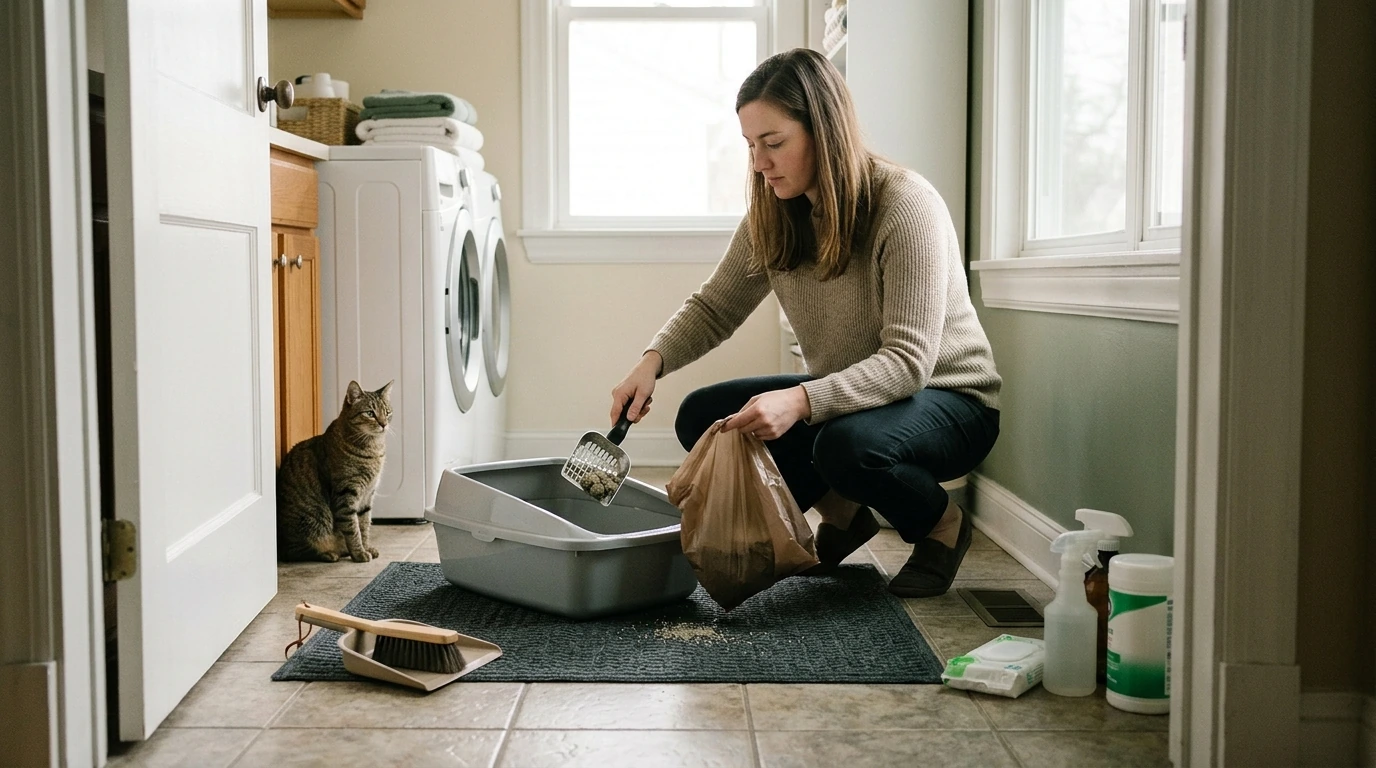
Clean Paws, Fresh Home: A Practical Routine for Odor-Free Living With Cats
An odor-free home with cats comes down to three things: consistent litter habits, the right cleaning methods, and small hygiene tweaks that keep smells from traveling. The goal isn’t to “cover” odors—it’s to remove what causes them, on a schedule that’s realistic for real life and comfortable for your cat.
Why Cat Odor Lingers (and What Actually Stops It)
Most “cat smell” isn’t just litter. It’s ammonia released as urine breaks down, bacteria living on box surfaces, and tiny particles tracked out on paws. Clumping litter helps, but it can also create a false sense of security: residue stuck to the bottom and sides keeps emitting odor long after the clump is gone.
Heavy fragrances often backfire. Many cats have sensitive noses, and strongly scented products can make the litter area feel unsafe—leading to avoidance, accidents, and even more odor. The most reliable approach is simple: remove waste promptly, keep the box dry, and deep-clean at a steady interval using cat-safe methods.
Set Up the Litter Zone for Success
Start with placement. A box that’s hard to reach, loud, or “trappy” is more likely to be skipped. Choose a low-traffic, quiet location where your cat can enter and exit without feeling cornered.
- Keep the box away from food and water. Many cats prefer separation, and it supports better hygiene.
- Pick a spot with airflow and an easy-to-clean floor (tile, sealed wood, or a washable surface).
- Add a washable litter mat to capture scatter before it reaches carpet or rugs.
- Use enough boxes: a common guideline is one per cat plus one extra, ideally in separate areas.
If you want a simple way to keep everyone in the household consistent, the Clean Paws, Fresh Home digital guide and printable checklist can be saved to a phone or printed for a quick routine reminder.
The Daily Routine That Prevents Odor
Daily maintenance is what prevents the “it suddenly smells” moment. Once a day is the baseline; twice daily is ideal for multi-cat homes or strong-smelling urine.
- Scoop at least once daily (twice if needed). Removing waste early stops ammonia before it builds.
- Remove clumps completely, including pieces stuck to the bottom. Those stuck spots are often the strongest odor source.
- Top up litter depth so clumps form properly instead of smearing against the base.
- Quick-wipe the rim and nearby floor to prevent odor and tracked particles from spreading.
- Seal and remove waste regularly. A lingering trash can smell often gets mistaken for “litter box odor.”
One small upgrade that helps: keep a dedicated scoop, a small brush, and a roll of bags near the litter zone so the routine takes under two minutes.
Weekly and Monthly Deep-Clean Schedule
Think of deep cleaning as “resetting” the box surface so bacteria and residue don’t accumulate in corners, seams, and scratches.
Odor-Free Litter Box Checklist by Frequency
| Frequency | Task | Why it matters |
|---|---|---|
| Daily | Scoop solids and urine clumps; wipe rim | Stops ammonia and reduces tracking |
| 2–3x/week | Wash/replace mat; vacuum around box | Prevents odor spread into carpets and floors |
| Weekly | Spot-clean stuck residue; check litter depth | Prevents smear buildup and lingering smells |
| Every 2–4 weeks | Empty, wash, dry, and fully refill | Resets box surfaces and removes embedded odor |
| As needed | Replace box if scratched or permanently smelly | Scratches harbor bacteria and odor |
What to Clean With (and What to Avoid)
For additional cat-care basics and health guidance, the American Veterinary Medical Association (AVMA) cat resources are a helpful reference point.
Smart Paw Hygiene: Cutting Odor at the Source
If home setup changes are part of your plan (moving cords, rearranging furniture near litter zones, or creating safer pathways), No More Chews: Cord Safety for Pets can help reduce household hazards while you reorganize.
When Odor Signals a Bigger Problem
If your cat avoids the box, look at the “why” before escalating scents or scrubbing harder: pain, stress, location problems, litter type, or a box that feels too dirty can all trigger avoidance. The ASPCA’s litter box tips also outline common reasons cats stop using the box and how to adjust.
Printable Routine Support for Consistent Results
If you want a ready-to-use routine, Clean Paws, Fresh Home is designed to make daily/weekly/monthly tasks simple to follow. For households adding a new cat and building a positive routine, Paws Off! A Friendly Guide to Stop Your Cat from Biting can complement your setup by reducing stressful interactions that sometimes spill over into litter box problems.
FAQ
What should you not clean a litter box with?
Avoid harsh disinfectants, strong fragrances, ammonia-based products, and anything that leaves residue or a slippery film. Cats are sensitive to smells and chemicals, and irritating cleaners can lead to litter box avoidance. Stick to mild, unscented soap and thorough rinsing, and only disinfect with clearly pet-safe products when truly needed.
Where is the most sanitary place to put a litter box?
A quiet, well-ventilated area with an easy-to-clean floor is typically the most sanitary choice, especially when it’s away from food and water stations. Low foot traffic helps your cat feel secure, and a washable mat helps keep scatter from spreading bacteria and odor into the rest of the home.
Can I use Dawn dish soap to wash my cat’s litter box?
A mild, unscented dish soap can work for routine washing if you rinse extremely well and dry the box completely before refilling. Avoid strongly scented versions and don’t leave any soapy residue, since leftover film can bother paws and increase tracking.





Leave a comment